Creating Safer Homes and Communities with Assistive Technology
By Randy Kiser, Community Living, Inc., Senior Business Development Manager
Safety is an important concern for people with intellectual and developmental disabilities (IDD). Assistive technology can support independence by preventing accidents, providing reminders, and alerting caregivers when needed. Simple tools such as stove knob covers, door alarms, medication organizers, and visual safety signs remain effective and widely used.
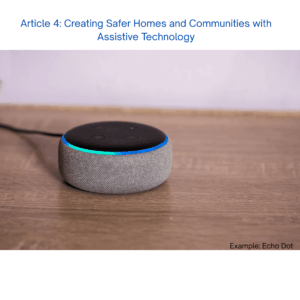
However, smart-home technology adds another level of support. Devices like Amazon Echo or Google Nest Hub can provide voice reminders for daily tasks such as locking doors, turning off appliances, or taking medications. Smart plugs, such as the TP-Link Kasa Smart Plug, can automatically shut off devices that are left on too long.
Some newer devices include AI features that detect unusual activity. For example, the Vayyar Care Fall Detection Sensor (vayyer.com/care-docs/b2c/) can detect potential falls without cameras, and smart alarms like Google Nest Protect Smoke and CO Alarm can distinguish real hazards from everyday steam or smoke.
Wearable devices such as the AngelSense GPS Tracker (angelsense.com) or the Apple Watch SE (apple.com/apple-watch-se-3) provide GPS tracking, fall detection, and emergency alerts if help is needed in the community.
When used thoughtfully, assistive technology, including tools with light AI features, can improve safety while supporting independence at home and in the community.